Building passive income through affiliate marketing can feel like a game changer. I’ve spent years learning and experimenting with different strategies, and I know firsthand how rewarding it feels to see earnings roll in while I’m focused on other projects, or just relaxing. If you’re looking to boost your own affiliate income in a set-and-forget way, a handful of essential practices can help you get there. In this article, I’ll walk you through best practices for optimizing passive earnings with affiliate marketing, mixing in practical insights and actionable tips.
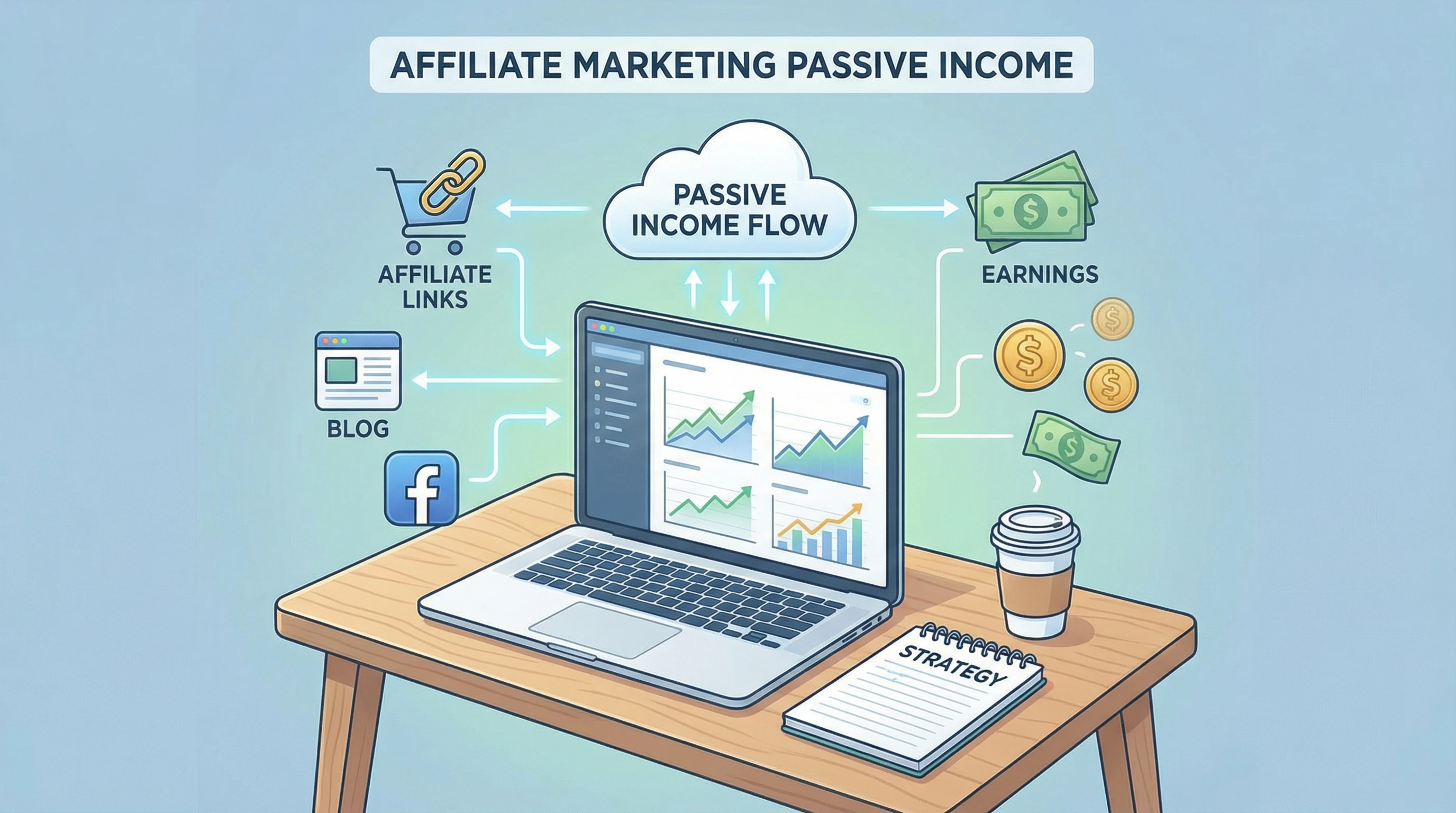
Understanding Affiliate Marketing Passive Income
Affiliate marketing is basically a partnership where you promote other people’s products or services. If someone clicks your affiliate link and makes a purchase, you earn a commission. The passive side comes in when your content keeps attracting clicks and sales, even long after you’ve published it. I remember the first time I got a commission from a blog post I hadn’t touched in months; it’s an eye-opening feeling that motivates you to keep growing your efforts.
The key isn’t just dropping links everywhere, but finding ways to create lasting value. For beginners, this often means starting with evergreen content. Evergreen content stays relevant for a long time, bringing in regular visitors from search engines. The right approach can keep those affiliate commissions coming in automatically, month after month, with less upkeep on your end.
Recent stats show affiliate marketing spending keeps growing year after year. According to Statista, spending in the US is expected to top $8.2 billion in 2022. That means plenty of opportunity exists for anyone willing to put in consistent work up front and let their content work over time.
Setting Up a Strong Foundation
The foundation for passive affiliate income starts with choosing your niche and content platform. If you’re not clear on your audience or where you’ll share your content (like a blog, YouTube channel, or social media), it’s easy to burn out or waste effort. I’ve learned that focusing on topics I’m genuinely interested in and where I can offer helpful advice works much better than choosing something boring just because it looks profitable.
Here are some important steps to set a strong foundation for passive affiliate income:
- Pick a niche you enjoy: Sticking to topics where you have some interest makes the whole process easier. Readers can spot when you really care about the subject.
- Research affiliate programs: Look for affiliate programs with good reputations, recurring commissions if possible, and products you’d feel confident recommending.
- Build your primary platform: Whether it’s a blog, a YouTube channel, or an active social presence, get comfortable posting content there consistently and engaging your audience.
For me, launching a simple blog was the most manageable way to start. Over time, I started using email newsletters, Pinterest pins, and even social posts to grow traffic and reach. Consistency is key.
Creating Evergreen Content
Evergreen content is the backbone of passive affiliate income. This means articles, tutorials, reviews, or videos that people will find useful regardless of when they stumble upon them. When I write a detailed guide or product comparison, it’s not only helpful right now but will keep attracting search traffic and earning commissions well into the future.
Some examples of evergreen content include:
- Product reviews and side by side comparisons
- How-to guides for common problems in your niche
- Resource lists or “best of” roundups that get updated from time to time
When creating these resources, I keep my language clear, break content into easy chunks, and always look to answer the kinds of questions I myself would have as a beginner. This helps ensure that my posts stay relevant for months or even years and keeps new readers coming in.
Optimizing Your Content for SEO
SEO, or search engine optimization, plays a massive part in passive affiliate earnings. If folks can’t find your content, the clicks and sales won’t happen. I’ve found that doing keyword research and writing with both search engines and real readers in mind multiplies my results over time.
- Keyword research: I use tools like Google Keyword Planner, Ahrefs, or Ubersuggest to find topics people are actively searching for. Picking the right keywords up front gives your content a huge advantage.
- On-page optimization: Including the main keyword naturally in the title, headers, and a few spots in the text makes it clear what the post is about.
- Internal linking: Linking newer posts back to relevant older ones keeps readers clicking around and helps search engines understand your site’s structure.
- Fast site performance: Making sure your website loads quickly is important for both users and rankings. Compress images, use simple themes, and avoid unnecessary plugins.
SEO can feel overwhelming at first, but tackling it one article at a time soon becomes second nature. The payoff is solid as older posts start carrying their own weight with steady search traffic and regular commissions.
Smart Link Placement and Disclosure
Getting affiliate links clicked is partly an art. I aim to place links naturally where people are looking for solutions. Too many links can drive readers away, while hiding links too well means they never get clicked. For me, the sweet spot is providing context: explaining why I recommend a product before linking it, especially in product review or solution-focused content.
Transparency builds trust, so I always include a simple affiliate disclosure at the top or bottom of the page. Not only do I want my audience to know I’ll earn a commission, but many affiliate programs and advertising laws (like FTC guidelines for US marketers) require it. Building reliability pays off in more clicks and loyal readers over time.
Maintaining and Updating Content
Even the most evergreen content needs some attention now and then. I set personal reminders to review my best-performing posts every few months. This lets me:
- Update information for accuracy and freshness
- Add new product recommendations or spot better affiliate options
- Remove old or discontinued affiliate offers
- Refresh images or screenshots for visual appeal
This practice has paid off. Google often rewards up-to-date pages with higher rankings and more traffic. Plus, it helps me stay ahead of competing blogs that might overlook their old content.
Choosing High Converting Affiliate Programs
I’ve joined all kinds of affiliate programs over the years—some paid well, while others barely made a dent no matter how much traffic I sent them. From experience, I look for programs with high commissions, solid conversion rates, and recurring income opportunities. Here’s what I check for:
- Reputation and frequency of payments
- Cookie duration (how long you keep credit after a user clicks your link)
- Product quality and fit for my audience’s needs
- Marketing resources and helpful support from the brand
Recurring programs, like many software subscriptions, pay a commission for every month the customer stays signed up. These add real stability to my passive income streams, stacking month after month.
Common Challenges and How to Tackle Them
Passive affiliate marketing income sounds easy, but real challenges do pop up on the adventure. Here are a few that I’ve bumped into, along with ways I approach them:
- Low traffic: This usually points back to SEO or content promotion. Sometimes, tweaking your keyword targeting or republishing to social channels makes a big difference.
- Low conversions: If lots of people visit but few click or buy, maybe the product isn’t a good fit, the pitch isn’t clear, or the links are lost in the content. Tweaking the wording and placement of links really helps.
- Affiliate program closures: It happens. A merchant might pull their program unexpectedly. Updating those links fast and having backup programs ready is crucial.
- Competition: Popular niches can get crowded. I make my content stand out by sharing firsthand experiences, unique case studies, or honest pros and cons that others might skip.
Troubleshooting Low Traffic
No traffic equals no sales, so I focus on keyword research and website speed when a post lags behind. Building a few targeted backlinks and sharing to my email list can give an old article a second wind.
Improving Conversion Rates
If readers aren’t clicking links or buying, I try making calls to action clearer, or add a product comparison table. Simple, direct recommendations often turn more visitors into buyers.
Real World Examples of Passive Affiliate Earnings
In my own work, one of my best-performing posts is a basic “best tools for bloggers” roundup I wrote years ago. With timely updates and promotion through Pinterest and my email list, it still reels in clicks and commissions each month. I’ve also seen YouTube channels with “top 5 products” videos keep driving sales months or even years after the content first went up, thanks to steady search demand and algorithm boosts.
- Website content: A thorough review post or detailed comparison chart can stick around for long-term traffic and sales.
- Email marketing: Creating automated email sequences with product recommendations draws recurring clicks with minimal upkeep.
- Social media content: Scheduled pins or posts on sites like Pinterest or Facebook keep driving people to evergreen articles—no need to post daily.
Frequently Asked Questions
Here are some common questions people ask when thinking about affiliate marketing for passive earnings:
Question: How much time does it take to start earning?
Answer: Depending on your effort, niche, and prior experience, it might take a few months to see income start flowing. Building up quality content and steady traffic takes time, but the rewards are worth sticking with it.
Question: Do I have to buy the products to review them?
Answer: Not always. Plenty of reviews come from user experiences, demo videos, or deep research. If I do buy and use the product, I point it out to build extra trust with my readers.
Question: What’s the best way to keep affiliate earnings passive?
Answer: Focus on SEO, create evergreen content, pick steady affiliate programs, and update your top posts on a routine schedule to keep things fresh.
Optimizing affiliate marketing for passive earnings doesn’t mean zero effort—it’s mostly loaded at the start with planning, writing, and continual testing. But once you have things set up, seeing commissions flow in from old posts and videos makes it all worthwhile. The strategies above have helped me build a reliable online income, and they’re steps you can put into play too. Stick to the basics, keep learning, and your results will grow over time. Passive income becomes real as your content works in the background for you.

Leave a Reply