If you’re aiming to generate income from social media affiliate marketing, you’re in good company. I’ve found that anyone with a phone or laptop, some time, and the right approach can start turning their social profiles into a source of extra earnings. Social media platforms are more than just places to share vacation photos and memes; they’ve become powerful tools for building passive and active income, especially through affiliate marketing. I’ve put together this guide to help you understand how it works, what you need to get started, and a few solid tactics to help you succeed.
What is Social Media Affiliate Marketing, and Why Are People Doing It?
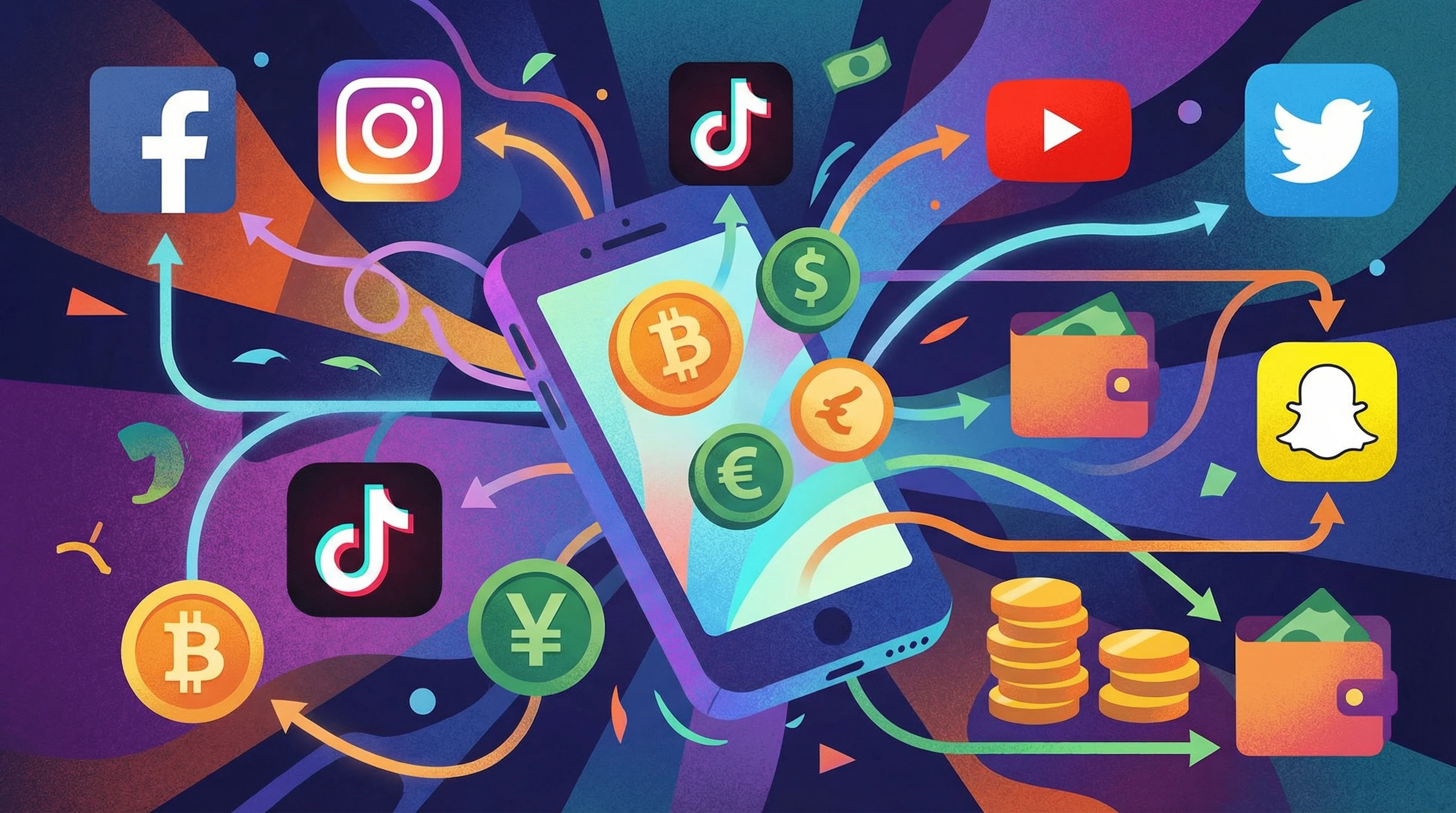
Social media affiliate marketing involves promoting other companies’ products or services with specialized links on your social media accounts. When your followers click those links and make a purchase, you earn a commission. This setup is popular because it doesn’t require you to handle inventory, customer support, or direct sales. You simply share your genuine takes on products you like, insert your affiliate link, and if people buy, you get paid. I use affiliate marketing to supplement my income and help my audience stumble upon useful tools I’ve already tried out myself.
Digital marketing experts estimate that by 2024, affiliate marketing spending in the U.S. will surpass $8 billion. A large chunk of these commissions are earned through social media platforms like Instagram, TikTok, YouTube, Facebook, and even Pinterest. People trust influencers and reviewers who provide value, and brands recognize the power of word-of-mouth in the digital age. So, if you’ve ever searched something like “best wireless earbuds” and clicked a link from a creator, you’ve probably contributed to affiliate income.
Getting Started with Affiliate Marketing on Social Media
Jumping into social media affiliate marketing doesn’t require any formal background or business degree. When I first started, I focused on building a simple following and then learned about programs that matched my interests. Here’s a step-by-step breakdown of how you can start yourself:
- Pick Your Main Platform: Choose the social network where you already spend time or feel most comfortable. Platforms like Instagram and TikTok are ideal for visual content, while Twitter and Facebook can work well for text and links.
- Pick a Niche: Stick to a clear topic or interest; think tech gadgets, fitness gear, home decor, or skincare. Being specific makes it easier to grow an engaged audience.
- Sign Up for Affiliate Programs: Join programs that fit your niche. Many companies run their own affiliate schemes, or you can use platforms such as Amazon Associates, ShareASale, or CJ Affiliate to find offers.
- Create Content: Show how you use products in your real life. Authentic posts or videos tend to resonate with followers better than pushy ads.
- Share Affiliate Links: Insert your unique links in stories, posts, bios, or pinned comments, based on platform rules.
I always recommend reading the platform’s terms of use about affiliate links. Some places like Instagram require you to add a “#ad” or “#affiliate” disclosure for transparency. This keeps things legal and shows your audience you’re being honest.
Tips to Make Social Media Affiliate Marketing Really Work
Making your affiliate efforts pay off is about more than just dropping links. I learned early that a few best practices can give a boost to both your income and credibility.
- Choose Products You Truly Believe In: Only promote items you’ve used or trust. Followers can spot a forced recommendation quickly and may lose trust if you share too many random ads.
- Focus on Value: Show followers what they’ll get out of the product. Reviews, demonstrations, or before-and-after pictures can all build interest and trust.
- Use Strong Visuals: Photos and videos significantly increase engagement. You don’t need fancy gear; just good lighting and an honest approach work well for me.
- Post Consistently: Regular sharing helps build your profile and keeps your audience interested. An active social feed looks reliable and boosts reach.
- Disclose Your Relationship: Be upfront about being an affiliate. Disclosure helps maintain compliance and shows you’re genuine.
Applying these techniques, I noticed my engagement numbers grew, and so did my commissions. People appreciate straightforward reviews. Many have told me they only buy after seeing me use something honestly in my stories or posts.
What to Watch Out for Before You Get Into This
Like any way of making extra money, affiliate marketing through social media comes with a few challenges. I ran into a few obstacles of my own, and knowing about these in advance can really help you plan.
- Payout Thresholds: Some affiliate programs have a minimum earnings amount before you get paid, which could delay your cash-out.
- Platform Changes: Algorithms and policies can shift quickly. What works on Instagram or YouTube today might change tomorrow, so staying adaptable is really important.
- Authenticity vs. Sales Pressure: Balancing genuine content and product promotion can be a struggle. An account full of ads often turns off followers.
- Tracking and Reporting: Monitoring your clicks, earnings, and top-performing content can be time-consuming but makes a big difference.
Payout Thresholds
Many places only pay you when you reach a certain number; often $10, $50, or even $100. When I started, sometimes it took months to hit the threshold, especially with higher-ticket items. Patience and multiple income streams can help smooth this out.
Changing Platform Rules
Social networks often update their terms and algorithms. I learned the hard way to watch for emails about updates or announcements from the platforms I use, so I don’t end up caught off guard by a ban or block on affiliate links.
Staying Authentic
If all you post is affiliate content, followers might lose interest or trust in your page. Mixing in personal stories, tutorials, or other value-driven posts helps keep your account fun and engaging for everyone.
Tracking Performance
With so many links and products, keeping tabs on what’s working is really helpful. Tools like Google Analytics, Bitly, or your affiliate program dashboards give you the data to see which posts or stories drive results. I check in on my stats every week to fine-tune my approach so I get the most out of each platform.
The good news is all of these hurdles can be managed by staying organized and being ready to adapt as needed. Success won’t happen overnight, but with steady work, you’ll start to see results in time.
Going Further: Advanced Affiliate Marketing Strategies
Once you’ve set up the basics, you can start getting creative to boost your earnings and reach. Here are a few steps that gave me an edge:
Make the Most of Stories and Live Streams: Temporary content like Instagram Stories, reels, or live streams gives you fresh places to share links and demos. Showing yourself using the product in real time is a great way to connect authentically.
Create Tutorials and Guides: Helpful “how-to” content regularly performs well. I enjoy making short explainer videos that show the benefits of a product, and these tend to get shared more often by my followers.
Build an Email List: Collecting emails from your followers means you’re not totally dependent on the rules of a single social media platform. I use newsletters to send my top picks and exclusive affiliate offers. Building your own email list gives you direct access to your fans anytime.
Target Seasonal Promotions: Sharing products during holidays, back to school, or major sales events bumps your earning potential. Planning content ahead of popular shopping times gives you an advantage and helps you stand out from the crowd.
By blending these strategies, I’ve expanded the ways I connect with my audience and built a steadier stream of affiliate revenue. Testing out new ideas and finding what fits your style makes the process enjoyable and sustainable. You might find your audience responds best to tutorial videos or maybe quick stories—the trick is to try things out and keep what works.
Tools and Platforms for Affiliate Marketers
You don’t need fancy software or expensive courses to start earning. The following tools have been valuable for me and can help you kick things off on the right foot:
- Link Shorteners: Services like Bitly help you create cleaner, trackable URLs to use in your posts or bios. Easier-to-read links are more likely to be clicked, and you can see how many people are interested in your recommendations.
- Design Tools: Canva and similar apps let you make eye-catching graphics or edit product photos even from your phone. You don’t need to be a designer; simple tweaks and templates are often enough to make your posts stand out.
- Analytics Dashboards: Google Analytics, native insights from Instagram or TikTok, and affiliate network reports all give you a sense of what’s working best. These analytics help you get a feel for your top-performing posts and map out your next moves.
Using a few of these tools, even at the free level, helped me polish my posts and focus on what brings in real results. Over time, as your skills improve, you can add more advanced tools, but these basics are more than enough when you’re starting out.
- Direct Affiliate Programs: Many brands run their affiliate schemes, for example Amazon, Sephora, or Walmart. These sometimes offer better rates or bonuses compared to broad networks.
- Affiliate Networks: Sites like ShareASale, CJ Affiliate, and Rakuten make it easy to apply and track earnings across different brands for more options and flexibility.
Frequently Asked Questions
Here are some common questions I get asked by friends and readers looking to break into social media affiliate marketing:
Question: Which social media platform is the best for affiliate marketing?
Answer: There’s no single best platform. The right one depends on your strengths and audience. Instagram and TikTok are great for visual and quick-demo posts, while YouTube shines with longer reviews and deeper dives.
Question: Do I need a big following to make money?
Answer: You don’t need a huge audience. I started with a few hundred followers and still earned commissions on the products I loved. Trust and engagement matter more than big numbers, so focus on building connection and credibility first.
Question: How much can I actually earn?
Answer: Earnings vary widely by niche, audience size, and effort. I’ve seen beginners make a few dollars a month, while others pull in hundreds or more. Reliable posting, honest reviews, and smart link placement all help increase results. The more you learn and experiment, the bigger your earning potential can be.
Best Ways to Get Started as a Beginner
My advice for anyone new to social media affiliate marketing is to keep things simple at first. Pick one or two affiliate programs, share your real experiences, and keep learning as you go. Don’t worry about perfection, and remember that steady growth beats chasing viral success. Careful planning, regular posts, and honesty with your audience make a real difference over time.
Affiliate marketing on social media offers a flexible, approachable way to earn extra income without a big upfront investment. By focusing on value, building trust, and having fun with your content, you can start earning even if you’re just working in your spare time. With a bit of creativity and consistency, there’s a lot of potential to grow and even turn it into something bigger down the road. Stay curious, see what others are doing in your niche, and don’t be afraid to mix in some variety as you go. Before you know it, you’ll have your own system and style—and maybe a growing stream of extra income as well.

Leave a Reply