Choosing the best passive income ideas as a beginner can sometimes feel like searching for a needle in a haystack. When I first explored ways to earn without constant hands-on effort, I faced loads of options and conflicting advice. After researching, trying, and adjusting my game plan, I found that some options suited me much better than others. In this guide, I’ll share what really matters for beginners, why website building for affiliate marketing and ad revenue is such a practical starting point, and what to know before committing to any passive income project.
Understanding Passive Income For Beginners
Passive income is money I earn with little to no ongoing work, usually after setting up a system or asset that works in the background. Unlike a typical day job where my time pays the bills, passive income streams keep generating earnings, even when I’m away from my desk. These sources range from digital assets, like websites, to investments and physical products. Knowing the basics helped me avoid shiny objects and focus on what actually makes sense for beginners.
The idea of earning while I sleep is what draws most people to passive income. However, it’s worth knowing that even the most “hands-off” projects require setup, occasional maintenance, or a bit of learning upfront. Early stage effort and ongoing tweaks can mean the difference between a stream that slowly drips or one that really brings in the results I want. I found that staying sharp and adjusting my approach as needed led to consistent progress without feeling stuck.
The Best Passive Income Option: Building Websites for Affiliate Marketing and Ad Revenue
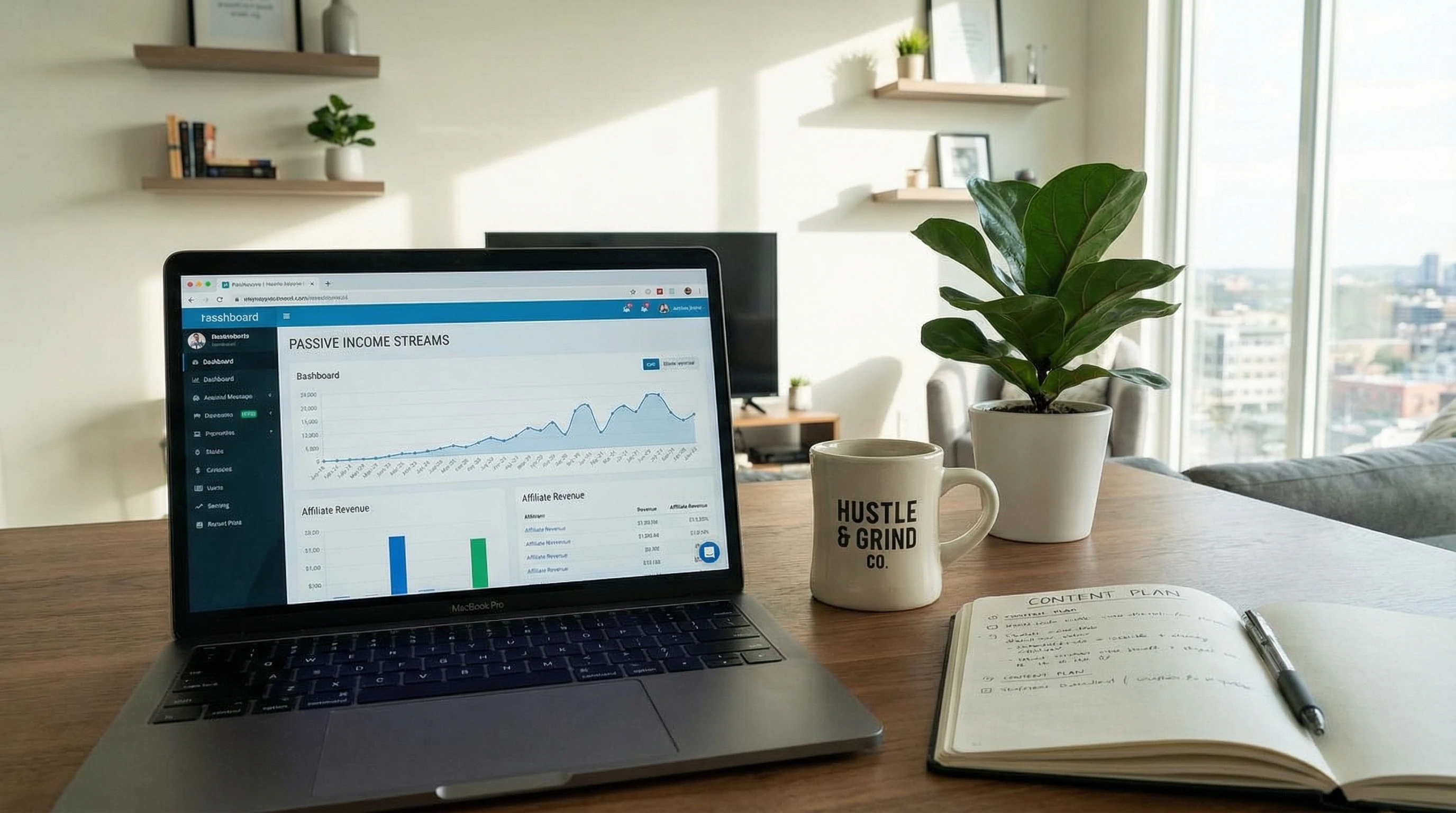
When I checked out the options, website building for affiliate marketing and ad revenue stood out as a great starting point for beginners. This approach lets me create content online (through a blog or niche website), and then earn money when people visit and interact with what I share. Here’s why I think this is especially beginnerfriendly:
- Low Upfront Costs: Basic web hosting and a domain name only cost a few dollars a month. There’s no need to buy physical inventory or rent office space.
- Flexible Topics: I can pick any topic that matches my interests (like hobbies, tech, health, or pets), so the work never feels boring or forced.
- Multiple Revenue Streams: Once I build steady traffic, I can add affiliate links and display ads on my site. Affiliate marketing lets me earn a commission on products I recommend, and ads generate income as readers browse.
- Scalability: Instead of selling my time, a website can reach thousands of people at once. Content I post today can still earn months and even years from now, giving a boost to my efforts over time.
I started with a modest blog, writing about everyday tips and gear reviews. At first, my website barely got any traffic, but with regular content updates and simple search engine optimization, my readership grew. Before long, I saw my first affiliate commission and ad payout. This small win showed me that website building is a real way to earn passively and an excellent choice for people just starting out. I stuck with it, and my income kept climbing as my audience grew.
Simple Steps to Get Started With Website Passive Income
Building a website for affiliate marketing or ads involves a few basic steps. Here’s how I did it, along with some extra ideas to help you get started even faster:
- Pick a Niche: Focus on a topic that I genuinely enjoy and has an audience. Topics with strong interest, like personal finance, hobbies, or travel, often work well. I made a list of things I liked to talk about, then searched to see what people were looking for online.
- Register a Domain & Find Hosting: This step is as easy as signing up for an account on a hosting provider and claiming a unique website name. Shopping around for affordable, reliable hosting sites helped me get the best deal without headaches down the road.
- Set Up A Simple Website: I chose WordPress, which is userfriendly and comes with lots of guides. There are also website builders that make it easy to design your own site with no coding needed.
- Create Useful Content: Writing articles that answer questions or solve problems for readers helped me build trust and traffic. I added product reviews and comparisons with affiliate links. Mixing in helpful tips and stories from my own experience kept readers coming back.
- Apply for Affiliate Programs & Ad Networks: Amazon Associates and Google AdSense are both popular picks for beginners. Signing up was easy, and I could begin adding links as soon as my site had a few posts.
- Focus on Search Engine Optimization: Optimizing my posts with relevant keywords helped people find my site through Google. Simple plugins and free tools made figuring out what search terms to use much easier.
Building a website takes time and effort up front, but when traffic increases, those rewards compound. I check and update my content now and then, which keeps things fresh but doesn’t take up much time compared to the payback. I also added a contact page and a privacy policy to make my site look professional right from the start.
Other Popular Passive Income Ideas For Beginners
While building websites is my personal favorite, I also checked out other beginnerfriendly passive income options. Each has a different setup time, learning curve, and earnings potential.
- Dividend Stocks: Buying shares in companies that pay regular dividends can provide ongoing income. I started small, using apps that allow for fractional investing. It’s important to know the basics of the stock market first and only invest money I’m willing to leave untouched for a while.
- High Yield Savings or CDs: Savings accounts or certificates of deposit offer a safe, steady return. The earnings are modest but almost effortless and risk-free as long as the bank is insured.
- PrintOnDemand Products: I tried designing t-shirts and mugs through online marketplaces like Redbubble. Once an item is uploaded, the platform handles printing and shipping, and I earn a commission when items sell. It’s a fun way to test out creative designs and see which ones catch on.
- Digital Products: Ebooks, templates, or simple online courses require work up front but can keep earning passively. Even a basic guide or planner I created has sold copies long after I finished it. Digital products can cover anything from recipes to fitness routines or budgeting spreadsheets.
- Peer-to-Peer Lending: Some platforms let me lend small amounts to people or businesses in exchange for interest. There’s more risk than savings accounts, but higher potential returns. Reading reviews and customer feedback helped me pick the right platforms to try.
Each of these offers pros and cons. For example, with stocks or CDs, my earnings are tied to how much I invest, while with websites or digital products, earnings can grow with creativity and time. I found it wise to research each option carefully and avoid “get rich quick” promises that rarely deliver. It’s also helpful to talk with friends or join online groups to ask about their experiences before jumping in.
Common Challenges and How to Overcome Them
Starting any passive income project comes with its own set of challenges. I faced these, too, but simple adjustments helped along the way:
- Information Overload: With so many ideas online, it’s easy to feel confused about where to begin. I narrowed my options by picking one or two methods I liked most, then focused all my learning there instead of spreading myself thin. Making a short checklist of steps kept my attention on what mattered most.
- Unrealistic Expectations: Some people expect quick profits, but passive income usually builds slowly. I learned to celebrate small wins, like my first affiliate sale, instead of waiting for a “big break.” Progress tracking apps or a simple spreadsheet helped me see my growth, even when it felt slow.
- Initial Setup Struggles: Website builders can feel overwhelming at first. Watching beginner tutorials on YouTube and joining forums made learning much easier for me. Sometimes, asking for help in online communities can really speed things up.
- Motivation Drops: There were weeks when I felt like I wasn’t making progress. Setting simple, achievable goals kept me posting new content and helped my site grow. Connecting with others working toward similar goals gave a boost to my motivation when I needed it.
Practical Tips for Beginners Wanting Sustainable Passive Income
The adventure to reliable passive income isn’t about finding a secret formula; it’s about taking steady action and learning as I go. Here are a few practices I found valuable:
- Start Small: I didn’t try to master every method. One focused project, updated frequently, worked out better than lots of half-finished experiments.
- Use Reliable Tools: For websites, I chose hosting platforms with good reviews. For investing, I stuck with well-known platforms and read plenty of feedback before signing up.
- Learn From Others: Forums, blogs, and YouTube channels from real people who’ve done it helped me skip mistakes and focus on what works. Asking questions directly got me great tips I wouldn’t have found on my own.
- Be Patient: Passive income rarely shows results overnight. I let time work its magic, knowing that early efforts could pay off big later on. Reminding myself why I started helped me stick to my plan during slow periods.
Frequently Asked Questions
Question: What makes website building such a good option for beginners?
Answer: Building a website lets me start with low costs, write about topics I enjoy, and build income streams through affiliate links and ads. As traffic to my site grows, so do the earnings, with only occasional updates needed to keep everything running smoothly.
Question: Do I need special technical skills to start a passive income website?
Answer: No advanced skills needed. I learned everything I needed online, and most website platforms (like WordPress) are built for beginners with lots of step-by-step guides available.
Question: How long does it take before I see income from my passive projects?
Answer: For websites, it can take a few months to see steady traffic and sales. Other investments, like dividend stocks or savings accounts, start earning right away but may produce smaller amounts until I build a bigger balance or audience.
Final Thoughts
I found that starting with one solid passive income project, like building a website for affiliate marketing and ad revenue, gave me a strong foundation. It’s a practical, flexible approach that works even if I’m not a tech expert. As my site and skills grew, I was able to branch out to other ideas with confidence. Careful research helps buyers make informed decisions, but taking action and learning as I go has been just as important in my adventure. Consistency, a willingness to learn, and patience turned small steps into reliable streams of income over time.
So if you’re just starting out and feeling overwhelmed by passive income choices, focusing on one solid idea, like a website, really made all the difference for me. I hope it does for you, too. Just remember, stay curious, keep learning, and trust that your early efforts will set the stage for steady growth. The future is wide open—you just have to take that first step.

Leave a Reply